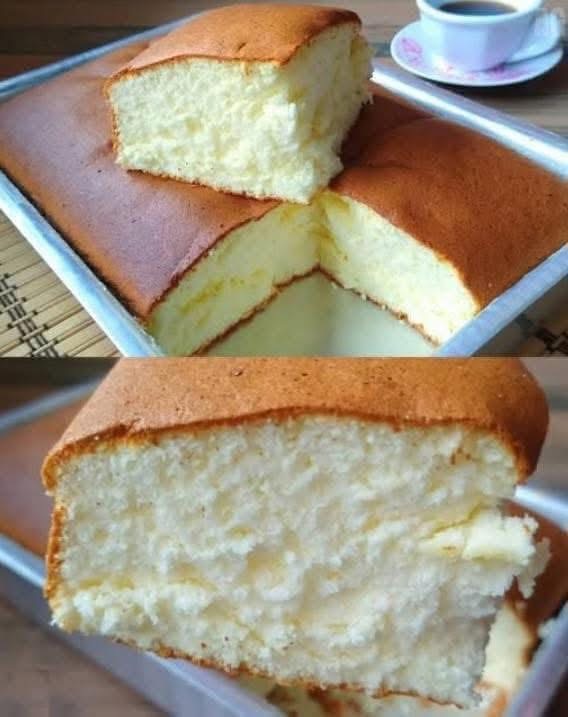
Japanese Cotton Cake (aka Cotton Cheesecake)
Light as air, jiggly, and impossibly tender, this is the cake that melts in your mouth. It’s a beautiful hybrid between a sponge cake and a cheesecake.
Japanese Cotton Cake (Cotton Cheesecake)
Yield: One 8-inch round cake
Prep Time: 30 minutes
Bake Time: 70–80 minutes (water bath)
Cooling Time: 2+ hours
Ingredients
For the Pan Prep:
· 1 tbsp unsalted butter, softened (for greasing)
· Parchment paper (for lining)
For the Cake Batter:
· ½ cup (115g) full-fat cream cheese, room temperature
· ¼ cup (57g) unsalted butter, cubed
· ⅓ cup (80ml) whole milk
· 6 large eggs, separated, room temperature*
· ⅔ cup (80g) cake flour (all-purpose flour can work, but cake flour is ideal)
· ¼ tsp salt
· ¾ cup (150g) granulated sugar, divided
· 1 tsp vanilla extract
· ½ tsp cream of tartar (or 2 tsp lemon juice) – for stabilizing egg whites
· Zest of 1 lemon (optional, for brightness)
Special Equipment:
· 8-inch round springform pan (or a deep 8-inch round cake pan)
· Roasting pan or large baking dish (for water bath)
· Fine-mesh sieve
· Electric mixer (hand or stand)
Instructions
- Prep the Pan & Oven
· Preheat oven to 320°F (160°C).
· Line the bottom of an 8-inch springform pan with parchment paper. Do not line the sides.
· Grease the sides of the pan with softened butter. This helps the cake climb.
· Wrap the outside bottom and sides of the springform pan tightly with 2 layers of heavy-duty aluminum foil to prevent water seepage during the water bath.
- Make the Cheese Mixture (Base Batter)
· In a heatproof bowl, combine cream cheese, butter, and milk.
· Set the bowl over a pot of simmering water (double boiler), making sure the bottom of the bowl doesn’t touch the water.
· Heat gently, stirring often, until completely smooth and no lumps remain. Remove from heat and let cool slightly (warm, not hot).
· Whisk in egg yolks and vanilla until fully combined.
· Sift cake flour and salt into the mixture. Whisk gently until smooth and lump-free. Set aside.
- Whip the Egg Whites (Meringue)
· In a very clean, grease-free bowl, beat egg whites with cream of tartar on medium speed until foamy.
· Gradually add ½ cup (100g) of the sugar, 1 tbsp at a time, while beating on medium-high speed.
· Whip until you reach soft peaks (the peaks curl over when you lift the beaters)—do not go to stiff peaks, or the cake may crack.
- Fold & Combine
· Add about ⅓ of the meringue to the cheese-flour batter. Fold gently with a spatula to lighten.
· Pour this lightened mixture back into the remaining meringue. Fold gently, slowly turning the bowl, until just combined and no white streaks remain. Do not overmix—this deflates the air.
- Bake in a Water Bath
· Pour batter into the prepared pan. Tap lightly on the counter to release large bubbles.
· Place the foil-wrapped pan into a larger roasting pan. Place in the oven, then carefully pour hot water into the roasting pan until it reaches about halfway up the sides of the springform pan.
· Bake for 70–80 minutes, until the top is golden, the cake springs back lightly when touched, and a skewer inserted near the center comes out clean.
· Important: Do not open the oven door during the first 60 minutes.
- Cool Slowly (Critical Step!)
· Turn off the oven and crack the oven door open with a wooden spoon. Let the cake sit in the oven for 15–20 minutes to cool gradually.
· Remove from the oven and water bath. Carefully peel off the foil.
· Run a thin knife around the edges to loosen. Let cool completely in the pan on a wire rack.
· Chill in the refrigerator for at least 2 hours (preferably overnight) before slicing.
Why This Method Works:
· Water bath (bain-marie): Provides gentle, even heat to prevent cracking and ensure a moist, tender crumb.
· Soft-peak meringue: Gives the cake its signature airy, cotton-like texture without over-expanding and collapsing.
· Slow cooling: Prevents sudden temperature changes that cause sinking or shrinking.
Success Tips:
✅ Room temperature eggs separate more cleanly and whip to greater volume.
✅ Cream of tartar stabilizes the meringue—don’t skip it.
✅ Fold, don’t stir—preserve the meringue’s air bubbles.
✅ Cool slowly—this is non-negotiable for a flat, non-sinking top.
✅ Chill before slicing—for clean cuts and best texture.
Common Issues & Fixes:
Problem Likely Cause Solution
Sunken top Underbaked, or oven door opened too early Bake fully, cool gradually in oven
Cracked surface Oven too hot, or meringue over-whipped Use oven thermometer, stop at soft peaks
Wet/dense bottom Water seeped into pan Double-wrap pan with heavy-duty foil
Eggy taste Undercooked or not chilled enough Bake until skewer clean, chill overnight
Serving & Storage:
· Serve chilled or at cool room temperature.
· Dust with powdered sugar, top with fresh berries, or a dollop of whipped cream.
· Store covered in the refrigerator for up to 5 days.
· Freeze whole or sliced (wrap tightly in plastic + foil) for up to 1 month. Thaw in fridge.
Flavor Variations:
· Matcha Cotton Cake: Add 1 tbsp matcha powder sifted with the flour.
· Chocolate Cotton Cake: Replace 2 tbsp flour with cocoa powder; add 2 oz melted dark chocolate to the cream cheese mixture.
· Citrus Cotton Cake: Add lemon/orange zest to batter; soak cooled cake with a light citrus syrup.
Enjoy your cloud-like, delicate cotton cake—it’s worth every careful step!