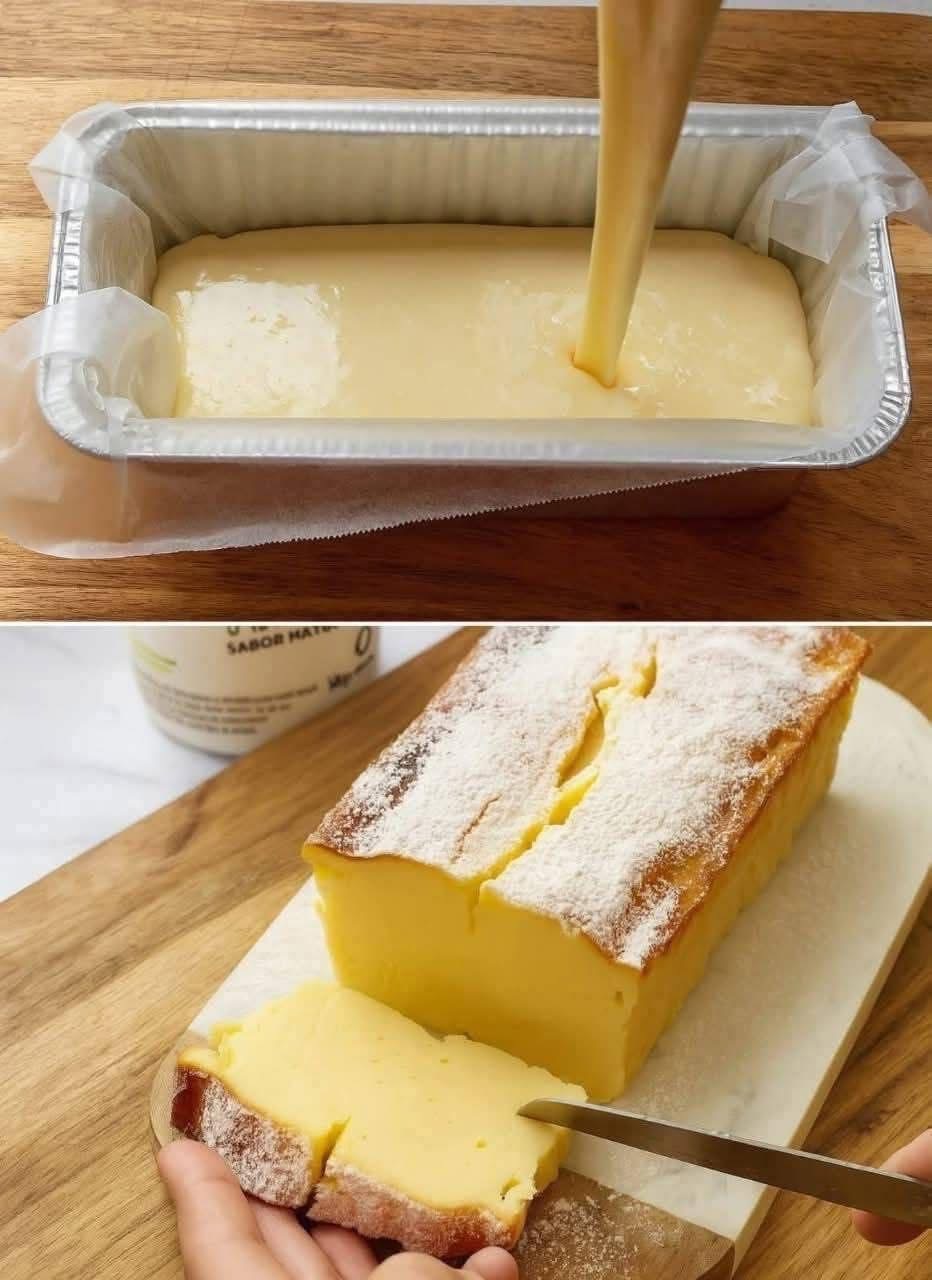
Excellent choice! A Low Calorie Greek Yogurt Cake is a brilliant way to enjoy a delicious, moist, and satisfying dessert without the guilt. Greek yogurt is the star here, providing protein for structure and moisture, allowing you to cut back on oil and butter.
This recipe is simple, versatile, and delivers a tender, protein-packed crumb.
The Ultimate Low Calorie Greek Yogurt Cake
This cake is naturally lighter, subtly sweet, and incredibly moist. Think of it as a satisfying snack or dessert that fits perfectly into a balanced lifestyle.
Ingredients
· 1 cup (225g) plain, non-fat Greek yogurt
· 2 large eggs, at room temperature
· 1/2 cup (100g) granulated sweetener of choice (e.g., erythritol, monk fruit blend) OR 1/3 cup honey/maple syrup*
· 1 teaspoon vanilla extract
· 1/4 cup (60ml) unsweetened applesauce (or a light-tasting oil like avocado or coconut oil)
· 1 ½ cups (190g) all-purpose flour OR white whole wheat flour
· 1 ½ teaspoons baking powder
· 1/2 teaspoon baking soda
· 1/4 teaspoon salt
· Zest of 1 lemon (optional, but highly recommended for brightness)
*Sweetener Note: Granulated sweeteners like erythritol keep the calories lowest. Liquid sweeteners will add moisture but also some natural sugars and calories.
Instructions
- Prepare: Preheat your oven to 350°F (175°C). Grease and flour an 8-inch (20cm) round or square cake pan, or line it with parchment paper.
- Combine Wet Ingredients: In a large bowl, whisk together the Greek yogurt, eggs, sweetener, vanilla extract, and applesauce until the mixture is smooth and well combined.
- Add Dry Ingredients: Sift the flour, baking powder, baking soda, and salt directly into the wet ingredients. Add the lemon zest if using. Using a spatula, gently fold the dry ingredients into the wet until just combined. Do not overmix! A few streaks of flour are okay.
- Bake: Pour the batter into your prepared pan and smooth the top. Bake for 25-35 minutes, or until the top is golden and a wooden skewer inserted into the center comes out clean.
- Cool: Let the cake cool in the pan for about 15 minutes before transferring it to a wire rack to cool completely. This step is important for the structure.
🌟 Pro-Tips for the Best Low-Calorie Cake
· Don’t Overmix: This is the #1 rule for a tender cake. Overmixing develops gluten, making the cake tough. Fold gently.
· The Magic of Applesauce: Unsweetened applesauce is a fantastic low-calorie substitute for oil, adding moisture without fat.
· Flour Power: For a fiber boost, you can substitute up to half of the all-purpose flour with whole wheat pastry flour or oat flour.
· Add-Ins: Fold in 1/2 cup of fresh blueberries, raspberries, or diced strawberries into the batter for a fruity burst. A handful of dark chocolate chips (about 1/4 cup) also works for a treat.
Flavor Variations
· Lemon Poppy Seed: Use the lemon zest and add 1-2 tablespoons of poppy seeds to the batter.
· Almond: Substitute 1/2 teaspoon of vanilla extract with 1/2 teaspoon of almond extract. Sprinkle sliced almonds on top before baking.
· Chocolate: Replace 1/4 cup (30g) of the flour with 1/4 cup of unsweetened cocoa powder for a chocolate version.
A Simple, Low-Calorie Glaze (Optional)
Elevate your cake with a light glaze:
· Mix 1/2 cup of powdered erythritol (or confectioners’ sugar) with 1-2 tablespoons of non-fat Greek yogurt or lemon juice until you get a drizzle-able consistency. Drizzle over the cooled cake.
Why It’s a Healthier Choice
· High in Protein: Greek yogurt adds a significant protein boost, making the cake more satiating.
· Lower in Fat & Sugar: By using applesauce and a sugar substitute, you dramatically reduce the calories from fat and refined sugar compared to a traditional cake.
· Nutrient-Dense: You’re getting calcium and probiotics from the yogurt, especially if you don’t over-bake it.
This cake proves that you don’t have to give up dessert to eat well. It’s moist, satisfying, and perfectly sweet. Enjoy